Practical Protocols
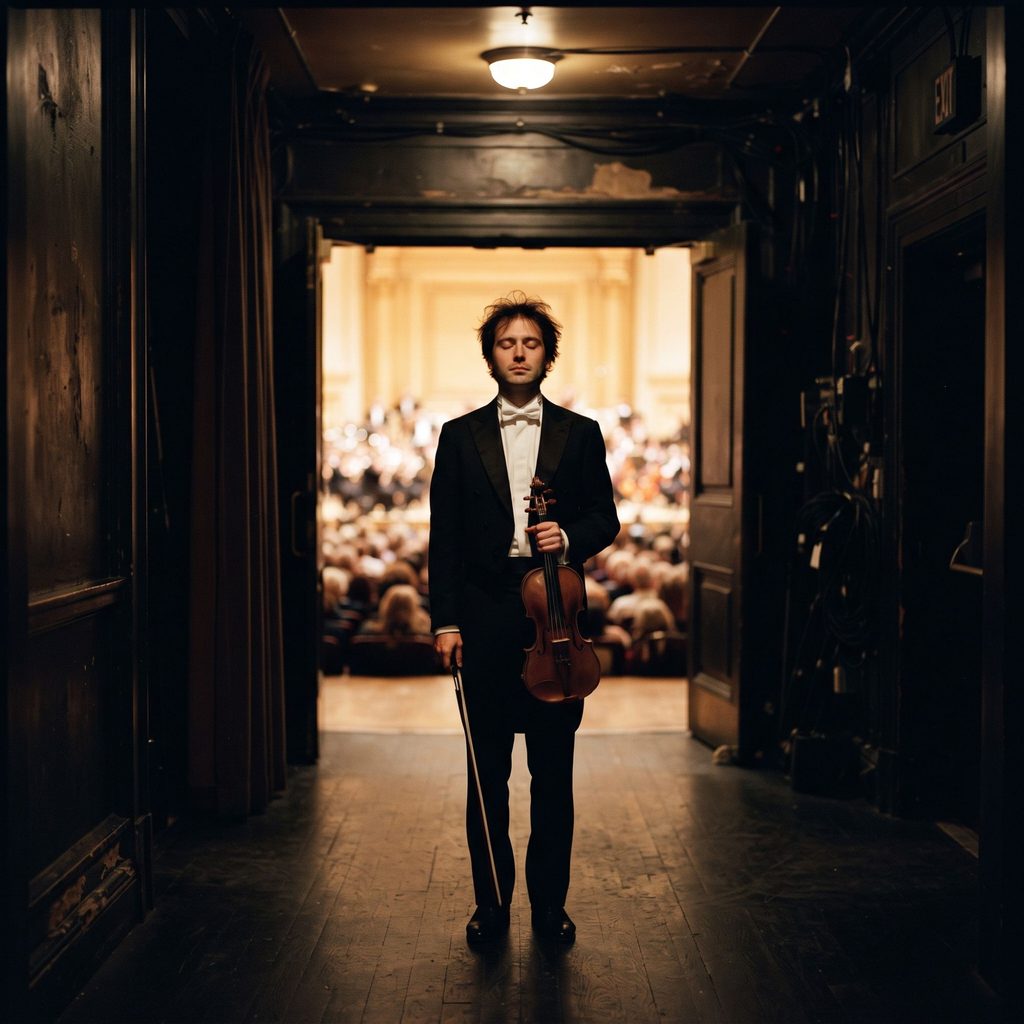
Stage Fright in Musicians: What the Research Supports
How a concert violinist handles stage fright, and what research shows about reframing, CBT, beta-blockers and binaural beats.
Read Article →Deep dives into neurobiology, sound therapy, and the mechanics of human belief.
How a concert violinist handles stage fright, and what research shows about reframing, CBT, beta-blockers and binaural beats.
Read Article →
Charisma is not a personality trait you are born with. Research identifies it as a learnable set of measurable behaviours across five dimensions, presence, voice, body language, empathy, and leadership.
Read Article →
What research shows about pitch, loudness and speaking rate, how listeners judge confidence from a voice, and when to slow down.
Read Article →
When your words and your body disagree, people believe your body. Here is what research on posture, gesture and status shows, and what happened to power posing.
Read Article →
Judgments of trustworthiness and competence form after a 100-millisecond look at a face. The research, the brain mechanism, and what you control.
Read Article →
Experiments show that active listening, reflecting back what you heard, makes people feel more understood than advice or acknowledgement.
Read Article →
What gaze research shows: how much eye contact people make, the duration most find comfortable, how gaze signals status, and cultural norms.
Read Article →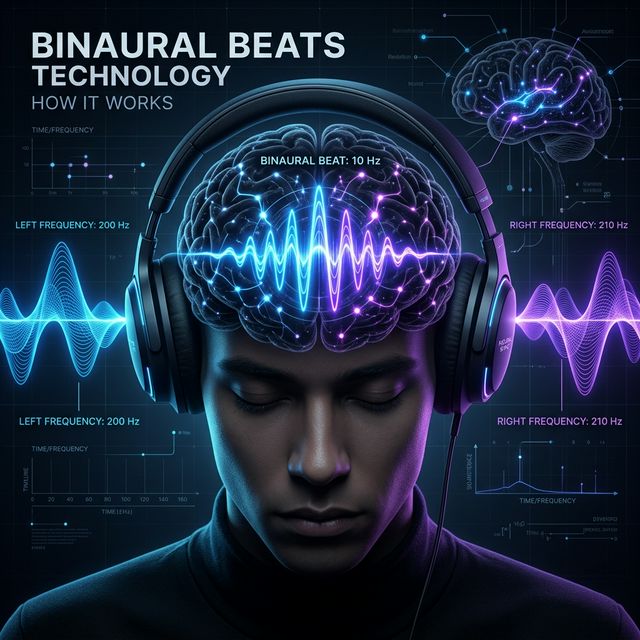
How binaural beats work: the frequency-following response, and what clinical research actually shows about sleep, focus and anxiety.
Read Article →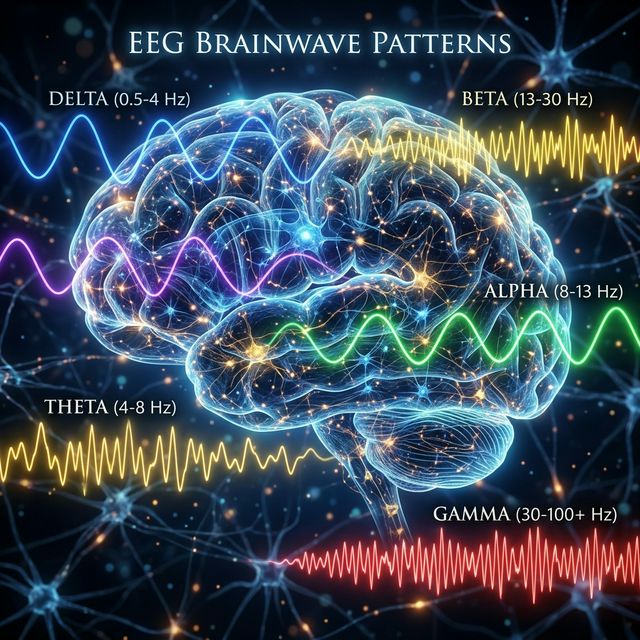
A complete guide to the five brainwave states, Delta, Theta, Alpha, Beta, Gamma, what each one is, what it feels like, and how to access each using binaural beats.
Read Article →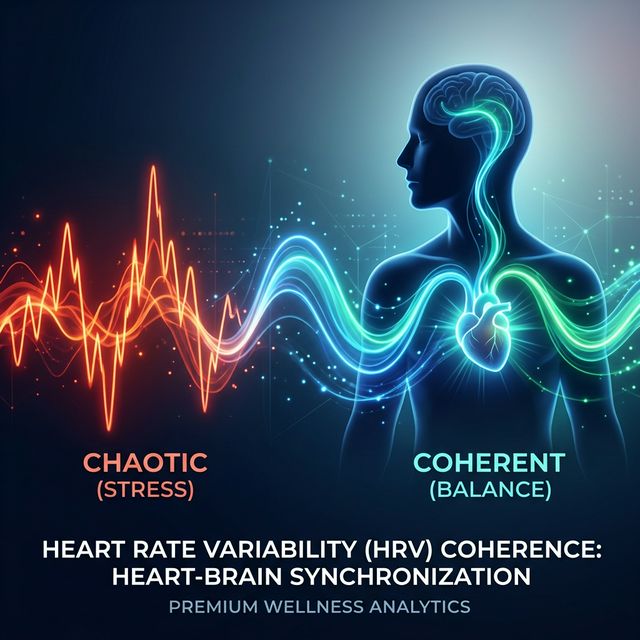
Internal coherence: the state in which thought, emotion and body point the same way, how heart rate variability measures it, and what research shows.
Read Article →
A 20-minute morning protocol using solfeggio frequencies to establish a grounded physiological baseline before phone, screens, or the demands of the day.
Read Article →
Positive thinking fails not because the idea is wrong but because it works at the wrong level. What research says produces lasting change.
Read Article →
From Schumann Resonance to the frequency-following response, an in-depth scientific primer on how acoustic frequencies interact with neural oscillations, backed by peer-reviewed research.
Read Article →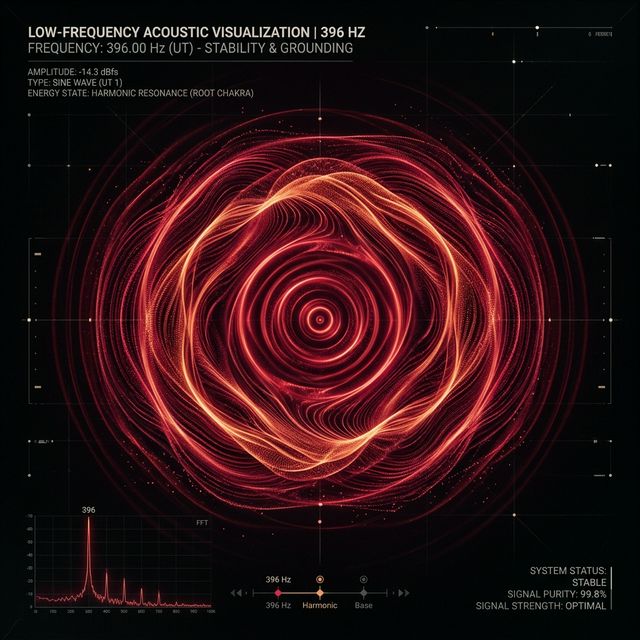
Why 396 Hz is linked to anxiety in the solfeggio tradition, what the evidence on calming sound does and does not show, and a practical protocol.
Read Article →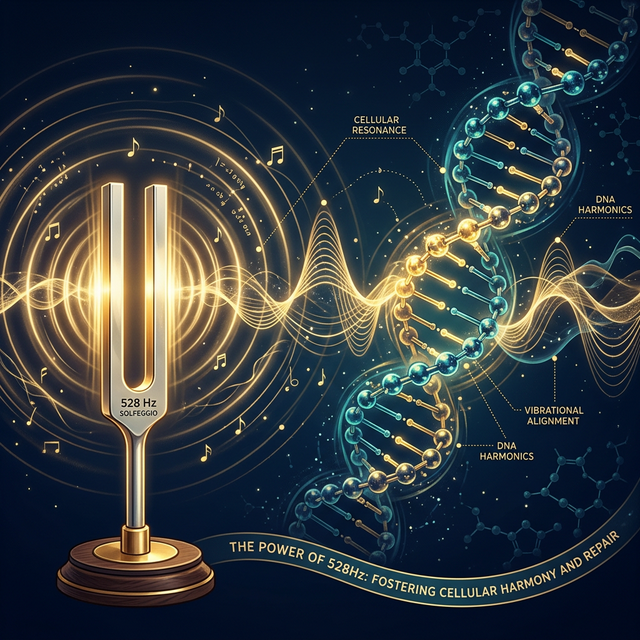
Where the miracle tone and DNA repair claims come from, what the human studies on 528 Hz music found, and how to use it with realistic expectations.
Read Article →
Fear and faith as the same capacity pointed in opposite directions: what research on worry shows, and how the idea changes the way you work with both.
Read Article →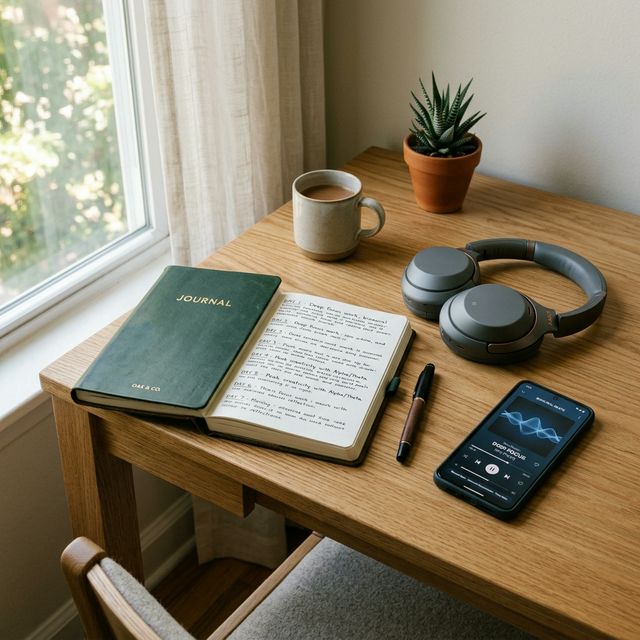
Seven days of daily binaural beats sessions. What changed, what didn't, and what the experience actually taught me about how these tools work.
Read Article →
How the Faith As A Human Function framework approaches cognitive dissonance and limiting beliefs, and what research does and does not support.
Read Article →
Which solfeggio frequency to use for sleep: 174 Hz, 396 Hz or 528 Hz, how to play them at night, and what research on music and sleep shows.
Read Article →
How to use solfeggio frequencies in meditation: which frequency to choose, how to structure a session, layering instruments, and what to expect.
Read Article →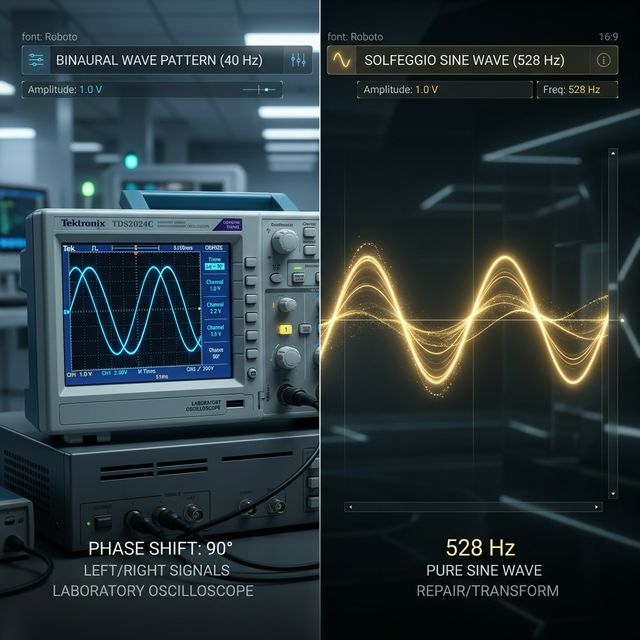
A comprehensive breakdown of brainwave entrainment versus resonant frequency therapy, and how to choose the right tool for your cognitive goals.
Read Article →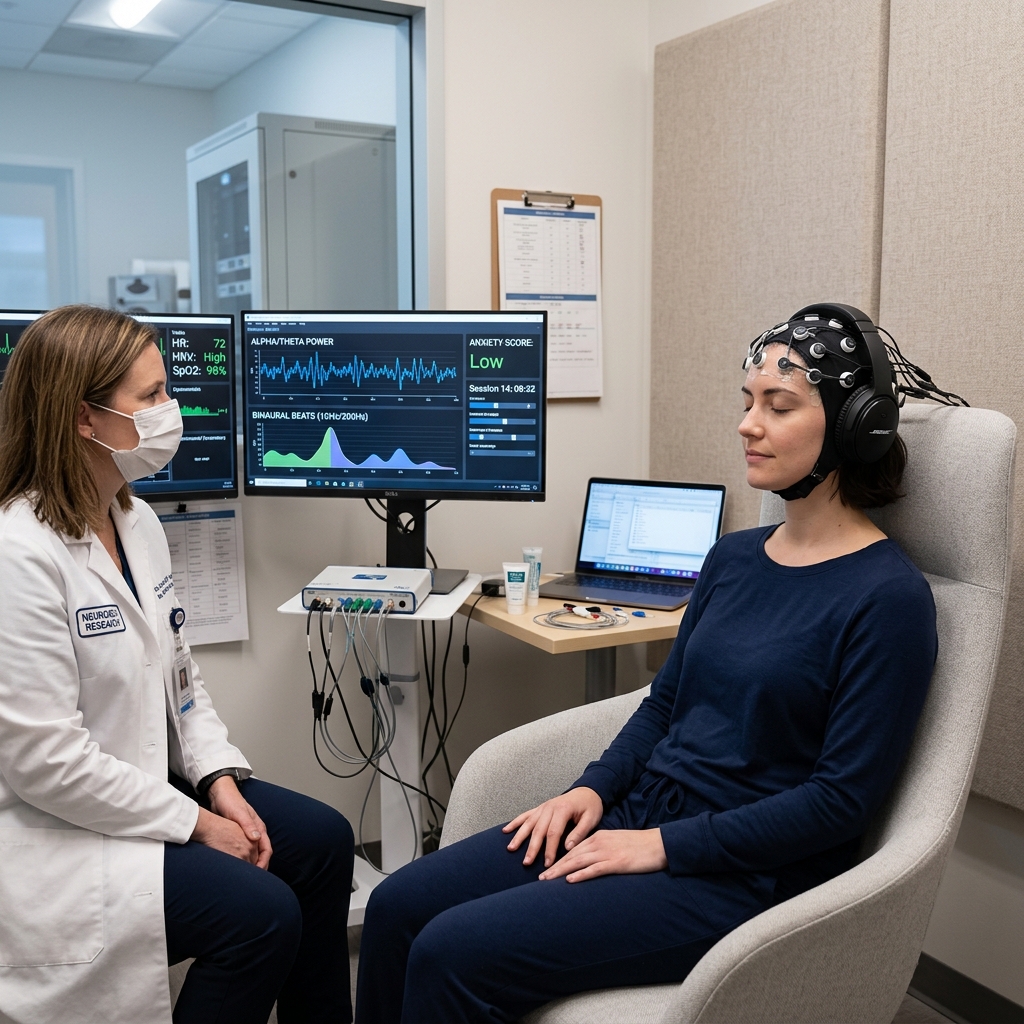
A review of the clinical trial evidence on binaural beats for anxiety: what the RCTs show, which frequency bands were tested, and the limits.
Read Article →
Gamma brainwaves are linked to attention and memory. What the research shows, including the 40 Hz studies in mice, and how to use Gamma sessions sensibly.
Read Article →
Cardiac coherence is a smooth heart-rhythm pattern produced by slow breathing. What HeartMath and independent research show, and what is unproven.
Read Article →
An honest assessment of whether solfeggio frequencies work, what the evidence supports, what is overstated, and how to use them with accurate expectations.
Read Article →
A practical framework for building a daily sound healing practice using solfeggio frequencies and binaural beats, without adding hours to your schedule.
Read Article →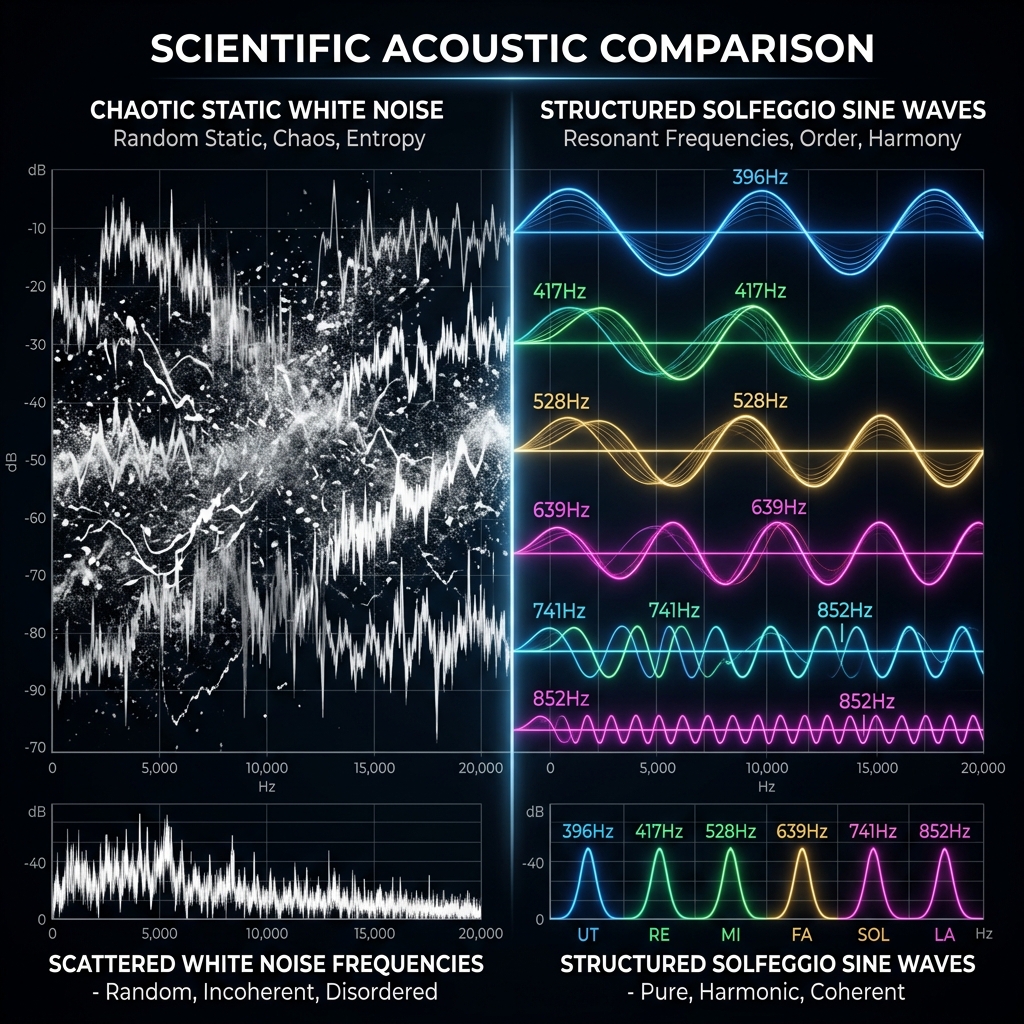
Solfeggio frequencies and white noise are often grouped together as ambient sound tools. However, they work through entirely different mechanisms.
Read Article →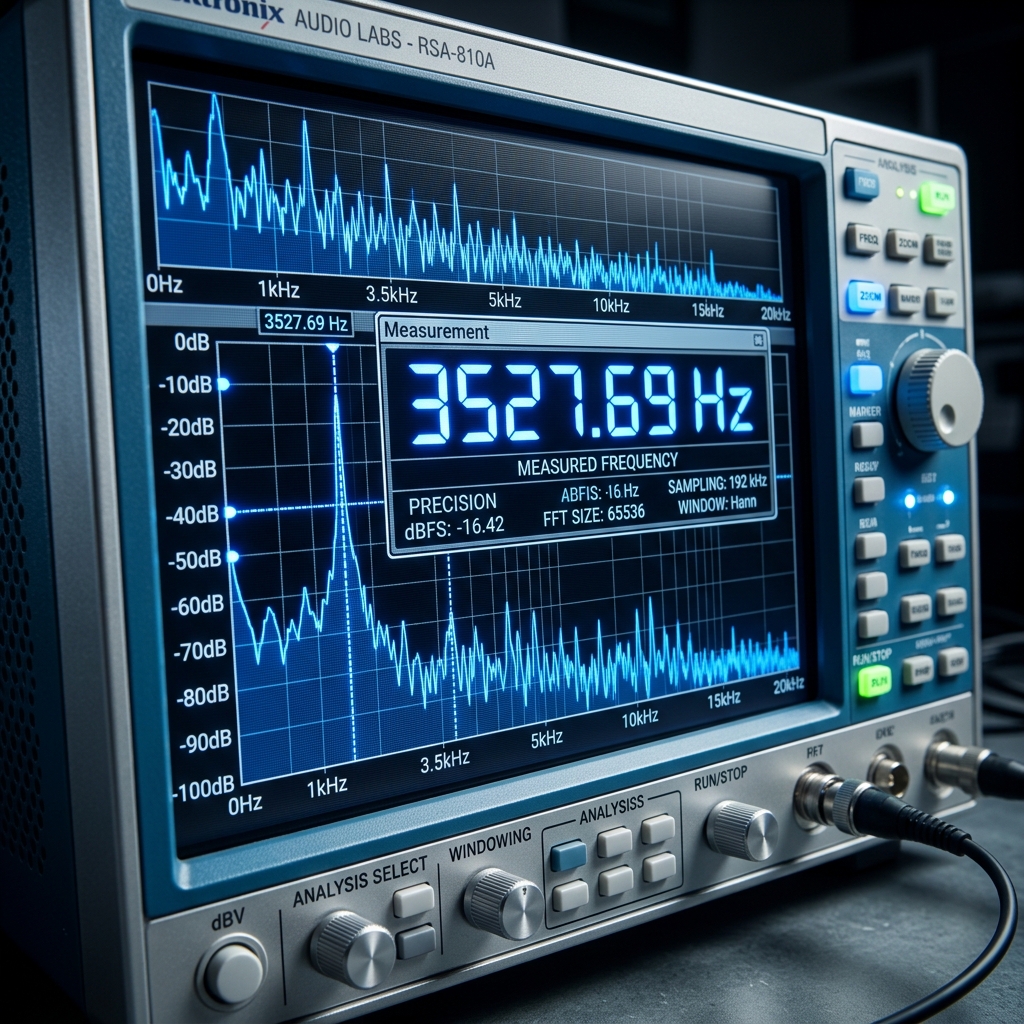
Most binaural beat apps do not publish their frequency precision specs. Here is why drift determines whether the tool works at all.
Read Article →
In 313 AD, one decision by the Roman Emperor Constantine began a transformation that replaced the operational meaning of faith with institutional obedience.
Read Article →
What research says about binaural beats for ADHD: the attention mechanism, which frequency bands were studied, and the limits of the evidence.
Read Article →
What the Gospel texts actually say about faith when read as documentation of a repeatable internal state, not as theology, but as a description of a mechanism.
Read Article →
The documented history of the solfeggio scale, from Guido d'Arezzo's medieval music theory to its modern revival in sound therapy.
Read Article →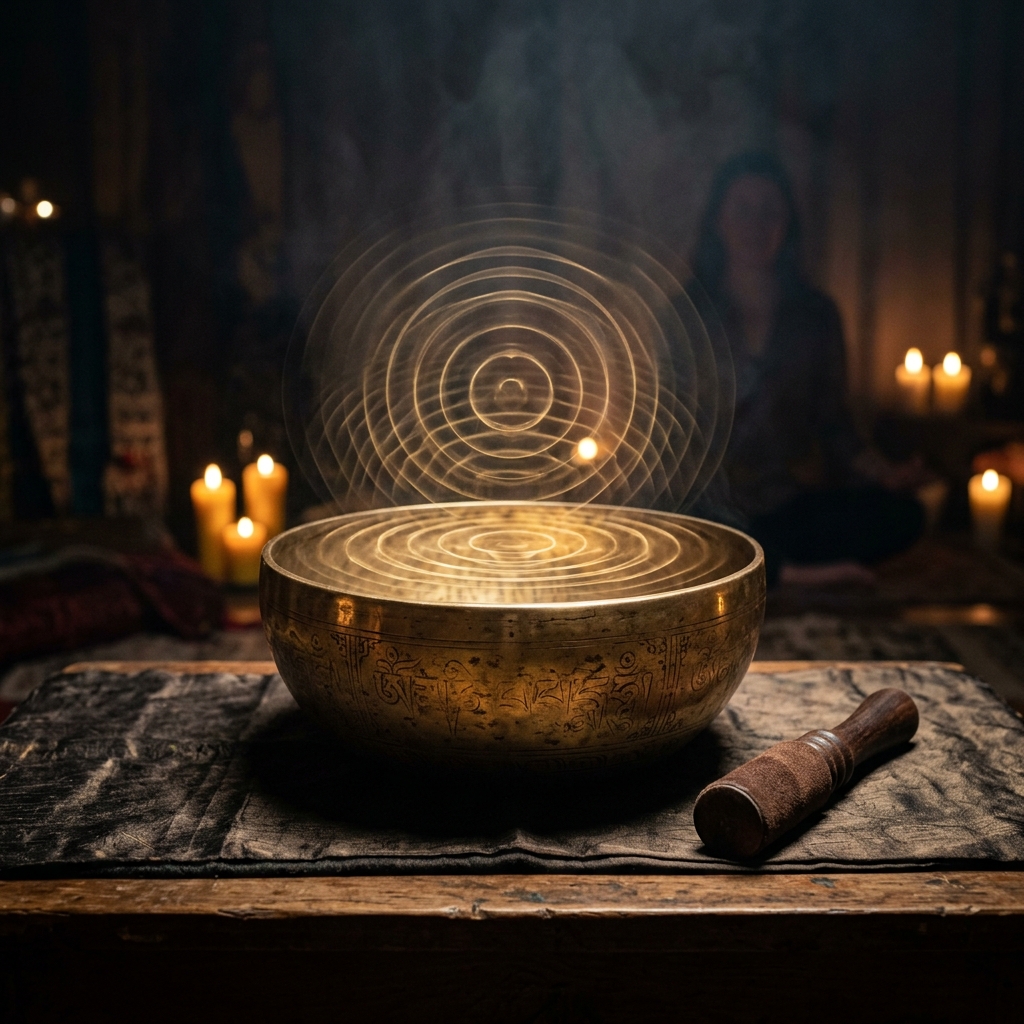
Why Tibetan and crystal bowls are layered over solfeggio tones rather than used alone, the overtone science, and how the two bowl types differ.
Read Article →
Csikszentmihalyi spent decades documenting flow, a state of effortless peak performance. The Gospels describe a similar state. What they share.
Read Article →